Local SEO in Yuma for Home Service Contractors
Extreme summer heat, winter agriculture, military installations, snowbird arrivals, river history, and eastward foothill growth create an unusually seasonal contractor market.
- $299/month
- No setup fee
- No long contract
- 8+ years of local SEO experience
Yuma neighborhoods and search districts
For Yuma, neighborhood pages should not be doorway pages with a place name swapped into generic copy. Each location needs a useful reason to exist: housing form, road access, recurring property problem, recognizable boundary, or a different service pattern. These 12 areas give a contractor a practical starting map.
The Foothills
The Foothills is the broad residential area east of the central city. A useful page for this area should identify nearby routes and property conditions, answer the service questions residents actually ask, and link back to the broader Yuma service page without pretending the business has an office there.
In Yuma search strategy, pair the neighborhood name with one real service need and one proof element. That creates a page a resident can use, rather than thin copy written only for a crawler.
Fortuna Foothills
Fortuna Foothills is a fast-growing suburban market in the eastern foothills. A useful page for this area should identify nearby routes and property conditions, answer the service questions residents actually ask, and link back to the broader Yuma service page without pretending the business has an office there.
In Yuma search strategy, pair the neighborhood name with one real service need and one proof element. That creates a page a resident can use, rather than thin copy written only for a crawler.
Downtown Yuma / Old Town
Downtown Yuma / Old Town is the historic commercial and civic core. A useful page for this area should identify nearby routes and property conditions, answer the service questions residents actually ask, and link back to the broader Yuma service page without pretending the business has an office there.
In Yuma search strategy, pair the neighborhood name with one real service need and one proof element. That creates a page a resident can use, rather than thin copy written only for a crawler.
Cibola Heights
Cibola Heights is a residential neighborhood near established eastside routes. A useful page for this area should identify nearby routes and property conditions, answer the service questions residents actually ask, and link back to the broader Yuma service page without pretending the business has an office there.
In Yuma search strategy, pair the neighborhood name with one real service need and one proof element. That creates a page a resident can use, rather than thin copy written only for a crawler.
Country Meadows
Country Meadows is a residential subdivision. A useful page for this area should identify nearby routes and property conditions, answer the service questions residents actually ask, and link back to the broader Yuma service page without pretending the business has an office there.
In Yuma search strategy, pair the neighborhood name with one real service need and one proof element. That creates a page a resident can use, rather than thin copy written only for a crawler.
Del Oro
Del Oro is an established residential area. A useful page for this area should identify nearby routes and property conditions, answer the service questions residents actually ask, and link back to the broader Yuma service page without pretending the business has an office there.
In Yuma search strategy, pair the neighborhood name with one real service need and one proof element. That creates a page a resident can use, rather than thin copy written only for a crawler.
Ocotillo
Ocotillo is a neighborhood whose desert landscaping and access shape service calls. A useful page for this area should identify nearby routes and property conditions, answer the service questions residents actually ask, and link back to the broader Yuma service page without pretending the business has an office there.
In Yuma search strategy, pair the neighborhood name with one real service need and one proof element. That creates a page a resident can use, rather than thin copy written only for a crawler.
Las Casitas
Las Casitas is a compact residential district. A useful page for this area should identify nearby routes and property conditions, answer the service questions residents actually ask, and link back to the broader Yuma service page without pretending the business has an office there.
In Yuma search strategy, pair the neighborhood name with one real service need and one proof element. That creates a page a resident can use, rather than thin copy written only for a crawler.
College Park
College Park is the area associated with Arizona Western College connections. A useful page for this area should identify nearby routes and property conditions, answer the service questions residents actually ask, and link back to the broader Yuma service page without pretending the business has an office there.
In Yuma search strategy, pair the neighborhood name with one real service need and one proof element. That creates a page a resident can use, rather than thin copy written only for a crawler.
Cielo Verde
Cielo Verde is a newer residential subdivision. A useful page for this area should identify nearby routes and property conditions, answer the service questions residents actually ask, and link back to the broader Yuma service page without pretending the business has an office there.
In Yuma search strategy, pair the neighborhood name with one real service need and one proof element. That creates a page a resident can use, rather than thin copy written only for a crawler.
Mesa Del Sol
Mesa Del Sol is a residential district east of the core. A useful page for this area should identify nearby routes and property conditions, answer the service questions residents actually ask, and link back to the broader Yuma service page without pretending the business has an office there.
In Yuma search strategy, pair the neighborhood name with one real service need and one proof element. That creates a page a resident can use, rather than thin copy written only for a crawler.
Foothills Country Club Estates
Foothills Country Club Estates is a golf-course community serving full-time and seasonal households. A useful page for this area should identify nearby routes and property conditions, answer the service questions residents actually ask, and link back to the broader Yuma service page without pretending the business has an office there.
In Yuma search strategy, pair the neighborhood name with one real service need and one proof element. That creates a page a resident can use, rather than thin copy written only for a crawler.
The Yuma contractor market, read correctly
Population context without stale-data mistakes
The project brief supplied 95,548 as a planning figure. Current public records use a different basis: 105,227 residents in the U.S. Census Bureau’s July 1, 2025 estimate. Both numbers are shown because local-market analysis fails when an old count is silently presented as a current estimate. The distinction matters for demand modeling, but the more useful SEO question is how households, housing types, and travel corridors distribute that demand.
Yuma is an incorporated city on the Colorado River in southwestern Arizona. That administrative fact affects address language, permit references, service-area settings, and the way a page should describe local coverage. We do not create fake branch locations or imply a municipal relationship. The goal is accurate market relevance around a contractor’s real operating footprint.
Housing stock and job economics
Yuma includes established city neighborhoods, newer subdivisions, Foothills communities, golf-course homes, and RV or seasonal-resident parks. Occupancy patterns, desert exposure, irrigation, and distance from the core change both timing and customer expectations.
In Yuma, housing context should change the keyword map. An emergency query, an estimate query, a maintenance query, and a research query are different stages of the customer journey. We build one clear primary page around the main city-and-service intent, then support it with pages for priority neighborhoods, high-value service lines, urgent problems, and decision questions. That structure helps search engines understand topical depth while helping people reach the right answer quickly.
For Yuma contractors, property age also changes proof. Owners of established homes want diagnostic clarity, before-and-after examples, parts or material explanations, and realistic next steps. Customers in newer planned communities may focus more on warranties, HOA constraints, appearance, scheduling, and protecting finishes. Commercial buyers need service boundaries, response procedures, insurance information, and a direct route to scope a job.
Economy and customer movement
Regional agribusiness produces much of the nation’s winter leafy vegetables. Marine Corps Air Station Yuma, Yuma Proving Ground, health care, logistics, retail, and a large winter-visitor economy shape year-round demand.
The primary local routes are I 8, US 95, Arizona 280/old Highway 80, 16th Street, and the routes connecting the city to the Foothills. Those corridors matter because service businesses are chosen within a driving market, not an abstract city boundary. A useful coverage page names the routes naturally, clarifies where crews actually travel, and avoids claiming adjacent municipalities as if they were neighborhoods.
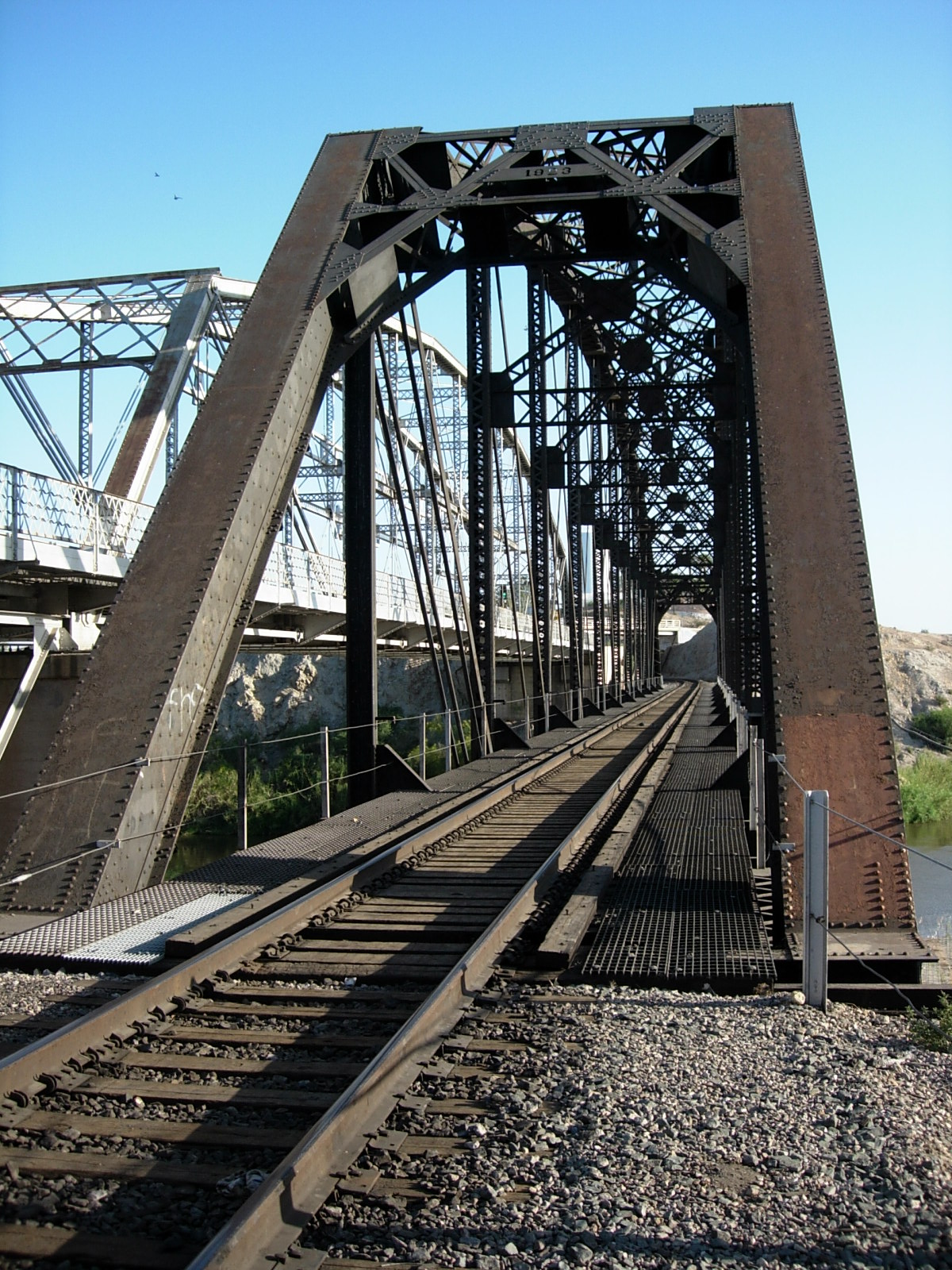
Regional anchors include Yuma Territorial Prison State Historic Park, Yuma Quartermaster Depot, Ocean-to-Ocean Bridge, the Colorado River, and nearby Imperial Sand Dunes. These entities help orient readers and establish genuine local context. They should appear where they explain geography or demand, not as a keyword list. The same rule applies to airports: Yuma International Airport shares aviation infrastructure with Marine Corps Air Station Yuma.
Our source check uses U.S. Census Bureau and the City of Yuma. Planning and market context can also be reviewed in this supporting public source. Figures and boundaries change, so campaigns should re-check official records before using a number in ads, proposals, or forecasting.
Yuma field note: demand and property context
Yuma demand follows temperature and occupancy more than a conventional four-season calendar. Full-time households, winter visitors, military families, agricultural operations, RV parks, and east-side Foothills communities do not search on the same timetable. The established city core has different access and housing questions from Fortuna Foothills, Mesa Del Sol, or golf-course neighborhoods. That split should shape content, staffing expectations, and call qualification.
The July 1, 2025 Census estimate is 105,227 residents. I 8, US 95, 16th Street, old Highway 80, and the routes east to the Foothills organize the practical service map. The Colorado River, Territorial Prison, Quartermaster Depot, Ocean-to-Ocean Bridge, and nearby dunes provide geographic context. Extreme summer heat makes cooling reliability a life-safety concern, while mild winters create a long exterior-project and seasonal-maintenance window.
Local SEO for every Yuma home-service niche
In Yuma, each trade needs its own entity set, seasonality, review language, conversion path, and proof. The city page establishes geographic relevance; the niche page establishes service expertise. Together they give customers a clear route from a local search to the right solution.
Local SEO for plumbers in Yuma
Build around leak, drain, water-heater, repipe, and emergency plumbing intent, then connect those services to Yuma neighborhoods, seasonal triggers, real project evidence, and a direct estimate path. The page should answer scope, urgency, service area, and next-step questions without unsupported claims.
Local SEO for HVAC contractors in Yuma
Build around air-conditioning, heating, tune-up, replacement, and indoor-air-quality intent, then connect those services to Yuma neighborhoods, seasonal triggers, real project evidence, and a direct estimate path. The page should answer scope, urgency, service area, and next-step questions without unsupported claims.
Local SEO for roofers in Yuma
Build around roof repair, replacement, inspection, storm, and commercial roofing intent, then connect those services to Yuma neighborhoods, seasonal triggers, real project evidence, and a direct estimate path. The page should answer scope, urgency, service area, and next-step questions without unsupported claims.
Local SEO for tree services in Yuma
Build around trimming, removal, stump grinding, storm cleanup, and arborist intent, then connect those services to Yuma neighborhoods, seasonal triggers, real project evidence, and a direct estimate path. The page should answer scope, urgency, service area, and next-step questions without unsupported claims.
Local SEO for dumpster rental companies in Yuma
Build around roll-off, cleanout, construction debris, roofing, and same-day rental intent, then connect those services to Yuma neighborhoods, seasonal triggers, real project evidence, and a direct estimate path. The page should answer scope, urgency, service area, and next-step questions without unsupported claims.
Local SEO for solar companies in Yuma
Build around solar panel, battery, consultation, installation, and maintenance intent, then connect those services to Yuma neighborhoods, seasonal triggers, real project evidence, and a direct estimate path. The page should answer scope, urgency, service area, and next-step questions without unsupported claims.
Local SEO for water damage companies in Yuma
Build around water extraction, drying, mold prevention, sewage cleanup, and emergency restoration intent, then connect those services to Yuma neighborhoods, seasonal triggers, real project evidence, and a direct estimate path. The page should answer scope, urgency, service area, and next-step questions without unsupported claims.
City-adapted service architecture
For the Yuma architecture, we begin with a primary service page, then add supporting pages only where the business genuinely performs the work. Every page receives a distinct purpose. A service page explains the work; a problem page helps diagnose intent; a neighborhood page explains geographic context; a project page demonstrates execution; and an FAQ resolves a buying objection. Internal links show how those parts relate.
For Yuma, the site should consistently describe coverage around I 8, US 95, Arizona 280/old Highway 80, 16th Street, and the routes connecting the city to the Foothills. The copy must not confuse nearby cities, unincorporated communities, or county areas with locations inside Yuma. Accurate boundaries reduce irrelevant calls and protect the credibility of the page.
Yuma conversion design stays practical: one primary action, a visible phone option, clear service limits, readable proof, and short forms that ask only what dispatch or estimating needs. Mobile visitors should not fight sticky banners, autoplay media, or multiple competing buttons while dealing with an urgent home problem.
Yuma field note: service architecture
Yuma HVAC content must prioritize diagnostic clarity, cooling safety, pre-summer maintenance, and honest capacity. Roofing and solar pages can discuss intense sun, reflective surfaces, roof condition, and production without promising savings. Plumbing and restoration pages should account for irrigation, hard-use systems, leaks, and vacant-property discovery. Tree and dumpster pages need heat-aware scheduling and access detail for full-time, seasonal, and commercial properties.
Yuma conversion design should separate emergencies from planned projects immediately. A resident with failed cooling needs a fast contact path; a winter visitor planning maintenance needs dates and property-access instructions; a commercial buyer may require documentation. Foothills pages should explain route and occupancy considerations, while Old Town pages can address established structures. Neither should invent a local branch or claim continuous availability.
Yuma trade-by-trade search angles
- plumbers: irrigation connections, seasonal occupancy, urgent leaks, and desert system wear. Keep the Yuma page tied to real scope, real evidence, and the correct next step.
- HVAC contractors: life-safety cooling, pre-summer checks, electrical load, and replacement planning. Keep the Yuma page tied to real scope, real evidence, and the correct next step.
- roofers: intense sun, reflective roofing, monsoon inspection, and winter project timing. Keep the Yuma page tied to real scope, real evidence, and the correct next step.
- tree services: heat-aware pruning, irrigation stress, wind damage, and safe debris removal. Keep the Yuma page tied to real scope, real evidence, and the correct next step.
- dumpster rental companies: RV or seasonal-property cleanouts, placement access, heat scheduling, and pickup clarity. Keep the Yuma page tied to real scope, real evidence, and the correct next step.
- solar companies: high solar exposure, roof readiness, shade, electrical capacity, and honest savings language. Keep the Yuma page tied to real scope, real evidence, and the correct next step.
- water damage companies: vacant-property leaks, monsoon intrusion, appliance losses, and rapid documented drying. Keep the Yuma page tied to real scope, real evidence, and the correct next step.
How to outrank Yuma contractors without fake signals
Yuma strategy follows occupancy and temperature instead of a generic quarterly calendar. We build one track for full-time households and mission-critical summer cooling, another for winter visitors and seasonal property care, and a third for the agricultural, military, and commercial buyers whose terminology differs from residential search.
The real search set is larger than ten blue links
A Yuma resident may see map results, Local Services Ads, organic pages, directories, review platforms, “near me” suggestions, videos, and AI-generated summaries in one journey. The competitor is not only the company ranking first for one phrase. It is every business that repeatedly appears across the services and neighborhoods that matter.
Start with a query grid built around commercial intent: service plus Yuma, urgent problem plus Yuma, neighborhood plus service, and cost or repair questions. Check the grid from realistic points across the service area. A business can look strong from one device while remaining invisible several miles away.
Proximity is a constraint, not the whole strategy
For Yuma, Google’s local results weigh relevance, distance, and prominence. A website cannot move a verified address, but it can clarify relevance and strengthen prominence. Accurate categories, complete services, consistent business information, useful city pages, authentic reviews, and locally earned mentions help the business compete where proximity does not decide the result alone.
In the Yuma campaign, we do not recommend virtual offices, borrowed residential addresses, review gating, city-name stuffing, or hundreds of duplicated location pages. Those shortcuts create suspension risk and weak user experiences. The durable alternative is a truthful service area supported by pages that explain what the contractor does, where it works, and why its proof is credible.
A practical six-layer competitive audit
- Map visibility: record which companies appear across target neighborhoods, not just at city center.
- Business Profile depth: compare categories, services, photos, review velocity, owner responses, and landing-page alignment.
- Page architecture: identify whether competitors cover the city, important services, problems, neighborhoods, projects, and FAQs in a coherent hierarchy.
- Proof quality: review licenses where applicable, team identity, local project detail, warranties, process clarity, and visible contact information.
- Authority: inspect legitimate local links, industry citations, community involvement, and editorial references instead of counting low-quality directory links.
- Conversion: test mobile speed, tap targets, forms, phone visibility, estimate language, and whether the page answers the first urgent question.
Yuma competitive work is prioritized by opportunity. If established brands own broad phrases, a contractor can first win high-intent service combinations, underserved neighborhoods, and problem-led queries where the existing results are thin. As calls, reviews, links, and brand searches accumulate, the site can compete for larger head terms.
Yuma measurement must connect visibility to qualified leads. Track calls, forms, booked estimates, service requested, and approximate location. Rankings are diagnostic, not the final business outcome. SMBify reports work against a defined market and never fabricates revenue claims, client names, ratings, or ranking screenshots.
Yuma field note: competitive reading
Yuma visibility should be checked in Old Town, central residential districts, the Foothills, Fortuna Foothills, and eastern subdivisions. A company can appear strong near downtown yet miss the seasonal-resident market farther east. The audit should compare mobile calls to action, emergency wording, proof of desert experience, and whether competitors distinguish urgent cooling from planned replacement or maintenance.
Trust in Yuma depends on practical desert knowledge rather than exaggerated heat language. Project evidence can show shade planning, reflective materials, electrical considerations, irrigation, equipment protection, or remote-property access. Military and agricultural references may explain the local economy but must not imply contracts. A service-area business should state travel limits clearly, especially when summer emergencies or long eastern routes affect scheduling.
Yuma climate and seasonal search intent
Yuma contractors plan around extreme desert heat, more than four thousand annual sunshine hours, very low rainfall, mild winters, and rapid spring warming. Weather does not merely change call volume; it changes the words customers use, the urgency of the result, and the proof they need before contacting a company.
January–March: mild weather and winter visitors support roofing, remodeling, exterior work, and occupied-home maintenance.
April–June: rapid warming drives pre-summer cooling checks, irrigation work, insulation, and reflective-roof planning.
July–September: life-safety cooling demand dominates alongside electrical-load, plumbing, shade, and urgent HVAC searches.
October–December: snowbird return raises HVAC startup, home-watch, rental-turn, plumbing, and general maintenance demand.
Yuma seasonal pages should go live before the demand spike. A storm page published after a major event has little history, few links, and no established conversion data. We prepare evergreen assets, update their details when conditions warrant, and link them from relevant service and city pages. Temporary claims such as “open now,” current storm impact, or same-day capacity must be verified by the business before publication.
The Yuma content calendar should also reflect customer lead time. HVAC replacement and solar evaluation may begin weeks before a purchase. Emergency extraction or a broken pipe produces an immediate call. Roofing often moves from urgent tarping to insurance documentation and then a planned replacement. Matching the page and call-to-action to that timeline improves both rankings and lead quality.
A 90-day Yuma local SEO operating system
Yuma strategy follows occupancy and temperature instead of a generic quarterly calendar. We build one track for full-time households and mission-critical summer cooling, another for winter visitors and seasonal property care, and a third for the agricultural, military, and commercial buyers whose terminology differs from residential search.
Verify the foundation
For Yuma, confirm the real business name, address or service-area configuration, phone, hours, categories, services, website canonicals, indexation, analytics, call tracking, and conversion events. Document the neighborhoods actually served and the services the crew can profitably deliver.
Build the query and page map
Group Yuma terms by service, urgency, property problem, neighborhood, and buying stage. Assign each meaningful cluster to one strong URL. Rewrite titles, headings, introductions, internal links, and calls to action so each page has a distinct job and no two pages compete for the same intent.
Publish proof-led local content
Create the Yuma hub, priority service pages, useful neighborhood pages, and project documentation. Add original photos supplied by the business, descriptive captions, crew explanations, and answers drawn from real customer conversations. Seek legitimate local citations and correct inconsistent records.
Measure, refine, expand
Review Yuma query impressions, map-grid movement, calls, forms, booking quality, and missed opportunities. Improve pages with impressions but weak click-through, strengthen conversion where traffic does not become leads, and expand only into the next verified service or neighborhood opportunity.
In Yuma, local SEO is not a one-time page upload. Reviews continue, competitors change, service menus evolve, and seasonal demand shifts. SMBify’s flat plan supports an ongoing cycle of research, publishing, technical cleanup, profile refinement, internal linking, and reporting. The commitment is transparent: $299 per month, no setup fee, and no long contract, for USA-based service businesses.
Yuma field note: ninety-day operating detail
Start the Yuma program by dividing the calendar into pre-heat, peak-heat, winter-visitor, and shoulder periods. Verify Business Profile settings, emergency language, service boundaries, and phone handling before publishing demand-led pages. Map I 8, US 95, central Yuma, and Foothills coverage. Prioritize cooling, roofing, plumbing, and property-care themes only where the contractor can deliver safely and profitably.
The next Yuma cycle should measure inquiries by urgency, service, and broad area. Publish real project notes that explain desert-specific decisions without exposing a customer location. Prepare pre-summer content months before extreme heat and update seasonal-owner guidance before arrivals increase. Conversion review should test whether callers can distinguish emergency response, routine service, and estimates without reading an entire article.
Yuma local SEO FAQs
Why does Yuma SEO need separate summer and snowbird campaigns?
Peak summer produces urgent cooling and heat-related service intent, while winter brings seasonal residents, maintenance, remodeling, and property-care searches. Separate timing and calls to action help each audience without pretending that every service has the same urgency.
How should a Yuma HVAC page address extreme heat?
Lead with safety, diagnostic steps, service limits, and a clear contact route. Explain repair and replacement criteria without guaranteeing response times. The business must confirm any current emergency availability before that claim is published.
What makes Fortuna Foothills different from central Yuma for contractors?
The Foothills market includes eastward travel, varied occupancy, newer subdivisions, RV communities, and different lot patterns. Central Yuma includes more established streets and housing. Location content should explain those differences and match actual routes.
Which roads belong in Yuma service-area guidance?
I 8, US 95, 16th Street, old Highway 80, and the approaches to the Foothills are useful orientation. They can clarify travel, but they should not create an unlimited service promise across southwestern Arizona.
When should Yuma pre-summer content go live?
Cooling checks, insulation, reflective-roof, irrigation, and electrical-load pages should mature during winter and early spring. Publishing only after severe heat arrives leaves little time for indexing, testing, or improving the customer path.
Can Yuma pages mention MCAS Yuma or Yuma Proving Ground?
They can be cited as economic and geographic anchors. The wording must not imply military endorsement, a contract, base access, or completed work. Contractor proof should come from the business's own verified projects and credentials.
How should Yuma solar pages avoid overpromising?
Discuss roof condition, shade, orientation, equipment, electrical readiness, and the evaluation process. Savings, production, incentives, and payback depend on verified inputs, so those figures should never be invented or presented as universal.
What proof helps seasonal property owners in Yuma?
Clear access procedures, dated project photos, documented findings, communication steps, and scope confirmation are useful. The contractor should protect addresses and customer identity, and should not imply a home-watch service unless it actually offers one.
Can a Yuma service-area profile rank without a public storefront?
Yes, if the profile is eligible and configured correctly. Hide an address where customers are not served, define real coverage, and avoid mailboxes, virtual offices, or borrowed locations. Website language should match the profile.
What does the $299 SMBify fee cover for Yuma?
It covers the agreed monthly local SEO work, including profile alignment, content, technical improvements, internal links, and practical reporting. There is no setup fee or long contract. Media spend, software, and an unrelated full redesign are separate.
Own Yuma’s search cycle before the next heat wave or winter arrival.
For Yuma, SMBify builds honest, useful local-search assets for USA home-service contractors. No fabricated proof, no copied city pages, and no long contract—just focused work at a flat $299 per month.
Start your Yuma plan