Front Range focus, Main Street clarity
Local SEO in Longmont for Home Service Contractors
Reach Old Town homeowners, growing west-side communities, east-side neighborhoods, and businesses beneath the Front Range.
- $299/month
- No setup fee
- No long contract
- USA-only service
- 8+ years’ experience
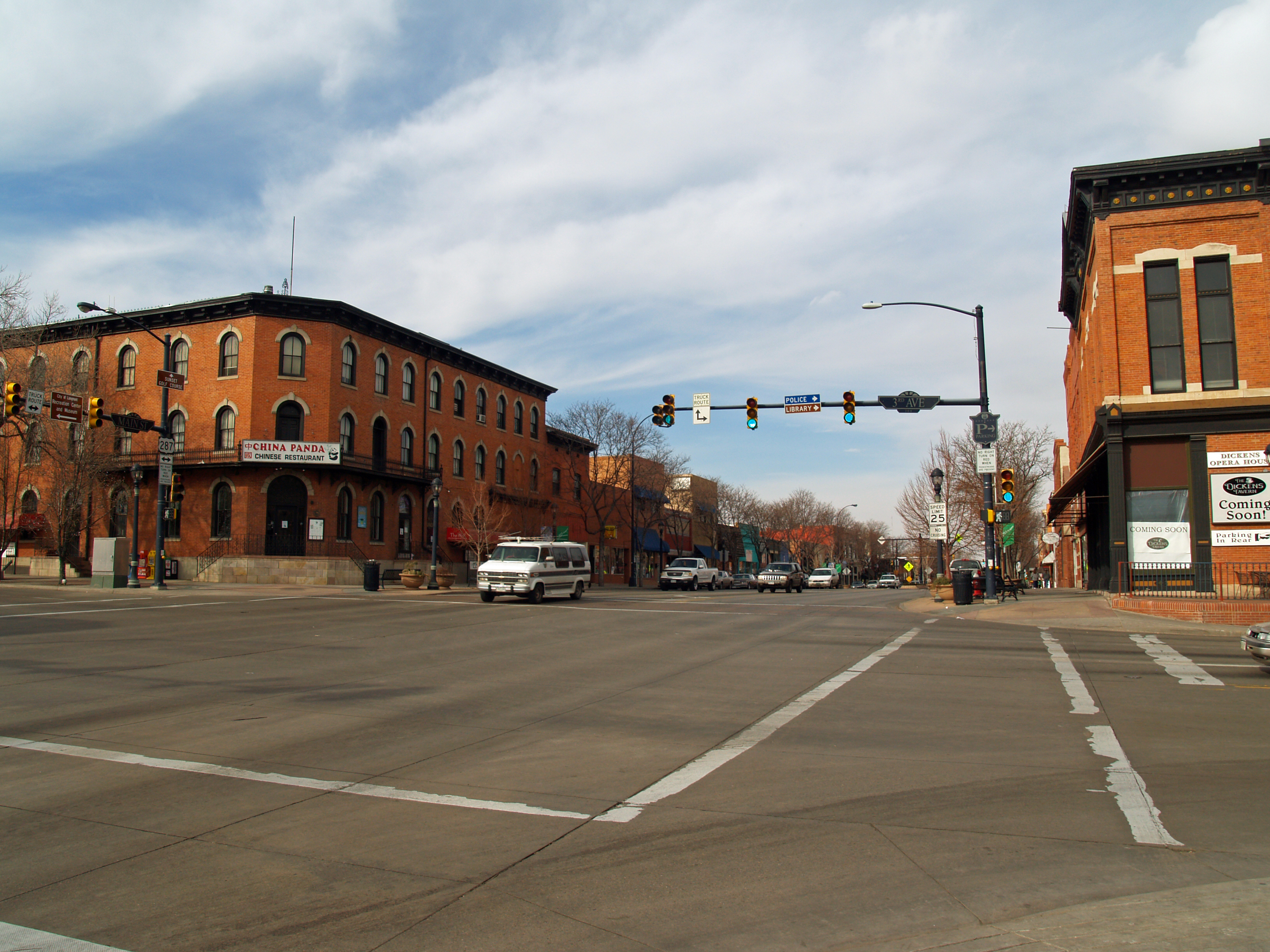
Longmont climate and seasonal search behavior
Longmont planning revolves around a semi-arid Front Range climate with abundant sun, snow, freeze-thaw cycles, severe hail, summer heat, and fast-moving storms. Weather changes the failure mode, urgency, vocabulary, and acceptable response time. Seasonal content should be published before predictable demand, then reviewed for accuracy when conditions change.
January–March: snow, freezes, heating load, ice, and occasional wind drive HVAC, plumbing, roofing, tree, and water-damage questions.
April–June: hail season, spring storms, irrigation startup, tree growth, and remodeling lift roofing, exterior, plumbing, dumpster, and tree demand.
July–September: high sun, heat, thunderstorms, solar interest, cooling, and outdoor projects shape searches.
October–December: heating preparation, winterization, leaf and tree work, roof checks, and freeze prevention become the priority.
Prepare evergreen pages before the spike
A seasonal page needs history, links, clear ownership, and a verified call path before an emergency. Longmont contractors can prepare evergreen guidance around inspection, prevention, common symptoms, safe first steps, and what information to gather. Any claim about a current storm, same-day capacity, response time, or availability must be confirmed by the business at the moment it is published.
Different trades also operate on different lead times. Water extraction and burst-pipe calls may be immediate. HVAC and roof replacement research can begin weeks before a decision. Solar evaluation, major tree work, and remodeling disposal often require comparison, site review, and scheduling. Calls to action should match that reality: emergency pages emphasize direct contact; planned-work pages support an estimate and informed evaluation.
The Longmont contractor market, block by block
Longmont is its own market—not simply “near Boulder.” Residents identify with Main Street, the St. Vrain corridor, lakes, older neighborhoods, and newer growth areas. A focused campaign uses that identity while acknowledging real regional travel and competition.
Population is a planning input, not a promise
The brief for this build supplies 92,088 as the Longmont planning figure. A dated public reference gives 98,885 in the 2020 Census; 99,818 estimated for 2024. Those numbers are not silently blended because a different vintage, estimate year, or boundary can change the count. Any media forecast or sales model should be refreshed against a dated public source before money is committed. For local SEO, population is only the opening clue. The practical questions are where customers live, how property types differ, which roads shape dispatch, and which services create commercially useful demand.
Longmont is a Boulder County city with an agricultural and manufacturing history, a revitalized downtown, technology employers, established neighborhoods, and continued residential growth. This description matters because administrative boundaries, neighborhoods, nearby municipalities, and common regional names are not interchangeable. The campaign should describe the business’s true operating area, never suggest a second office that does not exist, and never borrow the reputation of an institution or landmark.
Housing stock changes the search language
Old Town bungalows and Victorians, mid-century subdivisions, newer west-side communities, townhomes, and master-planned development create varied needs. Hail, snow, freeze-thaw cycles, high-altitude sun, irrigation, and basement systems all influence service demand.
Property form determines more than the repair. It changes who approves work, how a crew gains access, what evidence reassures the buyer, and which questions appear before a call. A homeowner may ask about materials, noise, cleanup, warranty, or protection of finishes. A landlord or manager may need tenant coordination, insurance documents, response procedures, and a written scope. A commercial operator may care first about downtime and safe access. Longmont pages should answer those buying questions in the same place they explain the technical service.
Page architecture should separate intent without fragmenting the site. The main city page establishes the geographic market. Trade pages explain expertise. Service and problem pages cover the work. Neighborhood pages add property and access context. Project pages supply genuine proof. FAQs remove real objections. Internal links connect each layer so people and crawlers understand the relationship.
Economy, institutions, and movement
Advanced manufacturing, technology, healthcare, food production, education, retail, and regional commuting support the market. Downtown Main Street, the St. Vrain Innovation Center, Longmont United Hospital, and employment corridors along CO 119 and US 287 distribute demand.
Key routes include US 287/Main Street, CO 119/Diagonal Highway, CO 66, Hover Street, Ken Pratt Boulevard, and nearby I-25. A useful service-area page explains travel honestly: where crews start, which corridors make dispatch practical, where traffic or bridges change arrival expectations, and which nearby places are separate communities. This operational clarity reduces unqualified calls and makes the local language more credible.
Recognizable anchors include Downtown Longmont, the St. Vrain Greenway, Union Reservoir, McIntosh Lake, the Longmont Museum, and the Innovation Center of St. Vrain Valley Schools. Vance Brand Municipal Airport, with Denver International Airport serving national travel. These entities should orient a reader, not act as a stuffed keyword inventory. Mentioning a university, airport, park, or civic place does not imply sponsorship, completed work, or a customer relationship.
Longmont neighborhoods and search contexts
A neighborhood earns its own page only when the business genuinely serves it and the page can answer something specific. In Longmont, the following areas provide a research map for property conditions, access, seasonality, and customer intent—not permission to publish ten doorway pages.
Old Town Longmont
Old Town Longmont is a historic grid of bungalows, Victorians, mature trees, and renovated homes where system age, preservation, and careful access matter.
For this Longmont context, useful content would identify the services actually performed, explain one or two relevant property constraints, set an honest coverage expectation, and link to genuine project proof when the contractor can supply it. The page should never imply a storefront, completed job, or local partnership that does not exist.
Prospect New Town
Prospect New Town is a planned mixed-use community with distinctive architecture where design standards, attached housing, and small-lot access influence service.
For this Longmont context, useful content would identify the services actually performed, explain one or two relevant property constraints, set an honest coverage expectation, and link to genuine project proof when the contractor can supply it. The page should never imply a storefront, completed job, or local partnership that does not exist.
Clover Basin
Clover Basin is a growing southwest area of newer homes and amenities where warranties, HOAs, energy efficiency, and family scheduling shape decisions.
For this Longmont context, useful content would identify the services actually performed, explain one or two relevant property constraints, set an honest coverage expectation, and link to genuine project proof when the contractor can supply it. The page should never imply a storefront, completed job, or local partnership that does not exist.
Fox Hill
Fox Hill is an established golf-course neighborhood with mature landscaping and varied home ages where maintenance history and drainage deserve attention.
For this Longmont context, useful content would identify the services actually performed, explain one or two relevant property constraints, set an honest coverage expectation, and link to genuine project proof when the contractor can supply it. The page should never imply a storefront, completed job, or local partnership that does not exist.
Ute Creek
Ute Creek is a northeast residential and golf community where newer homes, wind exposure, hail, and HOA expectations guide content.
For this Longmont context, useful content would identify the services actually performed, explain one or two relevant property constraints, set an honest coverage expectation, and link to genuine project proof when the contractor can supply it. The page should never imply a storefront, completed job, or local partnership that does not exist.
Southmoor Park
Southmoor Park is an established south-central neighborhood of single-family homes where aging systems, trees, and practical maintenance create repeat demand.
For this Longmont context, useful content would identify the services actually performed, explain one or two relevant property constraints, set an honest coverage expectation, and link to genuine project proof when the contractor can supply it. The page should never imply a storefront, completed job, or local partnership that does not exist.
McIntosh Lake area
McIntosh Lake area is a northwest residential context near open space where wind, sun, snow, and larger homes influence exterior and mechanical needs.
For this Longmont context, useful content would identify the services actually performed, explain one or two relevant property constraints, set an honest coverage expectation, and link to genuine project proof when the contractor can supply it. The page should never imply a storefront, completed job, or local partnership that does not exist.
Kensington
Kensington is a central neighborhood with older homes and convenient corridors where renovation, replacement, and property-age questions build long-tail relevance.
For this Longmont context, useful content would identify the services actually performed, explain one or two relevant property constraints, set an honest coverage expectation, and link to genuine project proof when the contractor can supply it. The page should never imply a storefront, completed job, or local partnership that does not exist.
Spring Valley at Ute Creek
Spring Valley at Ute Creek is a planned residential area with newer homes where roof, HVAC, solar, and landscape services benefit from precise warranty-aware copy.
For this Longmont context, useful content would identify the services actually performed, explain one or two relevant property constraints, set an honest coverage expectation, and link to genuine project proof when the contractor can supply it. The page should never imply a storefront, completed job, or local partnership that does not exist.
St. Vrain / East Longmont
St. Vrain / East Longmont is a growth corridor of homes, industrial activity, and open land where dispatch routes, new construction, and weather exposure vary.
For this Longmont context, useful content would identify the services actually performed, explain one or two relevant property constraints, set an honest coverage expectation, and link to genuine project proof when the contractor can supply it. The page should never imply a storefront, completed job, or local partnership that does not exist.
Local SEO for every Longmont home-service niche
Each trade has a different emergency vocabulary, proof burden, seasonal cycle, and conversion path. Longmont geography belongs on every niche page only where it changes the job. The city hub establishes place; the trade page establishes expertise; service and problem pages resolve the customer’s immediate question.
Local SEO for plumbers in Longmont
A Longmont plumbing campaign should organize leaks, drains, water heaters, repipes, sewer lines, and emergency response. Connect the strongest services to the property conditions described on this page, publish authentic project evidence, and give urgent and planned jobs different calls to action. Do not create pages for work the company cannot deliver.
Local SEO for HVAC contractors in Longmont
A Longmont hvac campaign should organize cooling, heating, indoor air, maintenance, heat pumps, and replacement planning. Connect the strongest services to the property conditions described on this page, publish authentic project evidence, and give urgent and planned jobs different calls to action. Do not create pages for work the company cannot deliver.
Local SEO for roofers in Longmont
A Longmont roofing campaign should organize inspection, repair, replacement, storm damage, materials, and insurance documentation. Connect the strongest services to the property conditions described on this page, publish authentic project evidence, and give urgent and planned jobs different calls to action. Do not create pages for work the company cannot deliver.
Local SEO for tree-service companies in Longmont
A Longmont tree service campaign should organize risk assessment, pruning, removal, storm cleanup, canopy care, and defensible space. Connect the strongest services to the property conditions described on this page, publish authentic project evidence, and give urgent and planned jobs different calls to action. Do not create pages for work the company cannot deliver.
Local SEO for dumpster-rental companies in Longmont
A Longmont dumpster rental campaign should organize container sizes, driveway access, prohibited items, delivery windows, and project timelines. Connect the strongest services to the property conditions described on this page, publish authentic project evidence, and give urgent and planned jobs different calls to action. Do not create pages for work the company cannot deliver.
Local SEO for solar companies in Longmont
A Longmont solar campaign should organize roof suitability, production, financing questions, storage, interconnection, and long-term ownership. Connect the strongest services to the property conditions described on this page, publish authentic project evidence, and give urgent and planned jobs different calls to action. Do not create pages for work the company cannot deliver.
Local SEO for water-damage restorers in Longmont
A Longmont water damage campaign should organize extraction, drying, moisture mapping, mold prevention, documentation, and rapid response. Connect the strongest services to the property conditions described on this page, publish authentic project evidence, and give urgent and planned jobs different calls to action. Do not create pages for work the company cannot deliver.
Adapt service pages to the city without cloning them
In Longmont, a service page should explain the customer problem, diagnostic or estimating process, common options, site constraints, preparation, warranty or follow-up, and how to contact the business. Location detail belongs where it affects access, materials, climate, property type, regulation, or scheduling. A paragraph of landmarks at the bottom is not local expertise.
Neighborhood pages should support—not compete with—the core service page. Use one canonical page for the main service, then link from an area page with property context. If two URLs answer the same query with nearly identical copy, consolidate them. This protects crawl focus and gives every page a clear reason to exist.
Conversion design stays simple: one primary action, a visible phone route, honest hours, readable proof, a short form, and clear boundaries. Mobile visitors dealing with a leak, failed system, storm problem, or delivery deadline should not fight popups, autoplay media, or three competing offers.
How Longmont contractors can earn durable visibility
Longmont local SEO should be useful, unhurried, and technically clear. The best pages connect Front Range weather to property decisions, distinguish Old Town renovation concerns from newer-community warranties, and explain how crews move between US 287, CO 119, and east–west neighborhoods. Hail and storm language must remain factual, never fear-based.
The search set includes Longmont contractors, Boulder County firms, northern Colorado companies, Denver brands, and national franchises. Opportunity sits in authentic city expertise: hail documentation, older-home systems, energy-conscious upgrades, specific neighborhoods, and transparent service boundaries that generic Front Range pages rarely explain.
Audit the whole result, not one rank
A Longmont resident can encounter map results, Local Services Ads, organic pages, directories, review platforms, videos, and AI summaries during one decision. Build a query grid around the primary trade, urgent problems, replacement questions, neighborhood terms, and cost or process research. Review it from realistic points across the operating area. A business that looks strong from one phone near its office may be invisible where its best customers live.
Record relevance, distance, and prominence signals without pretending a website can move an address. Categories, services, reviews, citations, local links, page quality, and brand demand are controllable. Proximity is not. That is why the strategy should build depth around profitable services and real neighborhoods rather than chase a single screenshot.
Use proof competitors cannot copy
Generic claims such as “trusted,” “best,” and “number one” are easy to reproduce and difficult to believe. Real Longmont project photographs, scope explanations, material choices, crew notes, licenses where applicable, warranties, and owner responses create evidence. The site should also state service limits, emergency procedures, and who the company is for.
SMBify does not recommend virtual offices, borrowed addresses, review gating, city-name stuffing, or cloned location pages. We also do not invent customers, ratings, revenue, case-study outcomes, or ranking images. Honest proof may grow more slowly, but it survives scrutiny and gives sales conversations a stronger foundation.
A six-layer operating audit
- Map coverage: document which brands appear around real Longmont dispatch zones.
- Profile relevance: compare categories, services, photos, questions, reviews, and landing-page alignment.
- Site architecture: map city, trade, service, problem, neighborhood, project, and FAQ pages to distinct intent.
- Proof: evaluate project detail, team identity, licenses where relevant, process clarity, and contact transparency.
- Authority: inspect legitimate citations, local mentions, trade relationships, and editorial links instead of raw directory volume.
- Conversion: test speed, tap targets, phone visibility, forms, estimate language, and the path from question to contact.
Prioritize the gaps with commercial value. If established brands dominate broad Longmont phrases, begin with profitable service combinations, underserved property questions, and real neighborhood contexts where existing pages are thin. Measure qualified calls and forms where tracking permits; rankings are a diagnostic signal, not proof of revenue.
A 90-day Longmont local SEO operating plan
Verify the foundation
Confirm the real business name, address or hidden-address service-area setup, phone, hours, categories, services, website canonicals, indexation, analytics, call tracking, and conversion events. For Longmont, document the neighborhoods truly served, profitable jobs, travel limits, licenses where required, and the evidence the company can publish.
Map queries to pages
Group Longmont searches by trade, service, urgency, property problem, neighborhood, and buying stage. Give each meaningful cluster one strong destination. Rewrite titles, headings, introductions, links, and calls to action so every page has a distinct role and no pair competes for the same intent.
Publish evidence-led depth
Strengthen the city hub, priority service pages, useful neighborhood resources, and project documentation. Add original photographs supplied by the business, descriptive captions, crew explanations, and answers from real customer conversations. Correct inconsistent citations and seek legitimate local or trade mentions.
Measure and refine
Review Longmont impressions, map-grid movement, landing-page engagement, calls, forms, booking quality, and missed questions. Improve pages with visibility but weak click-through, strengthen conversion where visits do not become leads, and expand only into the next verified service or area opportunity.
Month-to-month accountability
Local SEO is not a one-time upload. Reviews continue, competitors publish, services change, and seasonal demand moves. SMBify’s flat plan supports ongoing research, content, technical cleanup, Business Profile refinement, internal linking, and reporting for USA home-service businesses.
The commercial terms are direct: $299 per month, no setup fee, and no long contract. That price does not create a ranking guarantee, fixed lead count, or fabricated forecast. It funds a repeatable operating cycle focused on the controllable signals that help Longmont customers discover, evaluate, and contact the right contractor.
Longmont local SEO FAQs
What does SMBify’s $299 plan include for a Longmont contractor?
The plan can cover Google Business Profile alignment, city and service content, technical fixes, internal linking, citation cleanup, and practical reporting based on the starting audit. It is $299 per month with no setup fee or long contract. Advertising spend, major development, and third-party software are separate.
How long does local SEO take in Longmont?
There is no honest fixed ranking date. Timing depends on the verified location or service area, website history, technical condition, review record, competition, distance, and the strength of existing pages. Some corrections may surface within weeks, while durable map coverage and competitive organic visibility usually require sustained work.
Which Longmont neighborhoods should be targeted first?
Start with places the crew genuinely serves, where profitable work already occurs, and where property conditions change the customer question. Old Town Longmont, Prospect New Town, Clover Basin, Fox Hill are research candidates, not automatic landing pages. Each page must add useful detail and must not imply an office that does not exist.
How should Longmont climate influence the content calendar?
Plan around a semi-arid Front Range climate with abundant sun, snow, freeze-thaw cycles, severe hail, summer heat, and fast-moving storms. Publish evergreen prevention and service guidance before predictable demand. Current storm conditions, emergency availability, or same-day response must be verified by the contractor before those claims appear.
Which routes matter for Longmont service-area copy?
Coverage can be explained around US 287/Main Street, CO 119/Diagonal Highway, CO 66, Hover Street, Ken Pratt Boulevard, and nearby I-25. Roads help a customer understand dispatch and boundaries, but nearby municipalities must remain accurately named and separate. A corridor reference is useful only when it clarifies real operations.
Can the page mention Longmont landmarks and institutions?
Yes, when they orient a reader or explain geography. Relevant anchors include Downtown Longmont, the St. Vrain Greenway, Union Reservoir, McIntosh Lake, the Longmont Museum, and the Innovation Center of St. Vrain Valley Schools. The copy should never imply sponsorship, a municipal relationship, or completed work at those places without evidence.
What Business Profile setup is appropriate for a Longmont service-area company?
Use an eligible real business location and accurate categories, services, hours, phone, and website. If customers are not received at the address, Google guidance says the address should not be displayed. Virtual offices, mailboxes, and unstaffed locations are not a durable substitute for eligibility.
What proof helps Longmont homeowners choose a contractor?
Publish genuine project photographs, scope and process detail, team identity, licenses where applicable, materials or equipment information, warranties, and clear service boundaries. The housing context here matters: Old Town bungalows and Victorians, mid-century subdivisions, newer west-side communities, townhomes, and master-planned development create varied needs. Hail, snow, freeze-thaw cycles, high-altitude sun, irrigation, and basement systems all influence service demand. SMBify does not invent customers, reviews, ratings, outcomes, or revenue.
Does SMBify guarantee a number-one ranking in Longmont?
No. Local results depend on relevance, distance, prominence, competition, search context, and platform changes. SMBify improves controllable signals and reports observed movement, but it does not sell a guaranteed map position, lead count, or revenue outcome.
Front Range focus, Main Street clarity
Build a Longmont campaign with Front Range resilience and neighborhood-level usefulness.
SMBify builds honest local-search systems for USA home-service contractors: city knowledge, seven-trade architecture, practical conversion paths, and transparent work at $299 per month.
Start your Longmont plan